Best Digital Packing Planner Categories (Minimalist List)
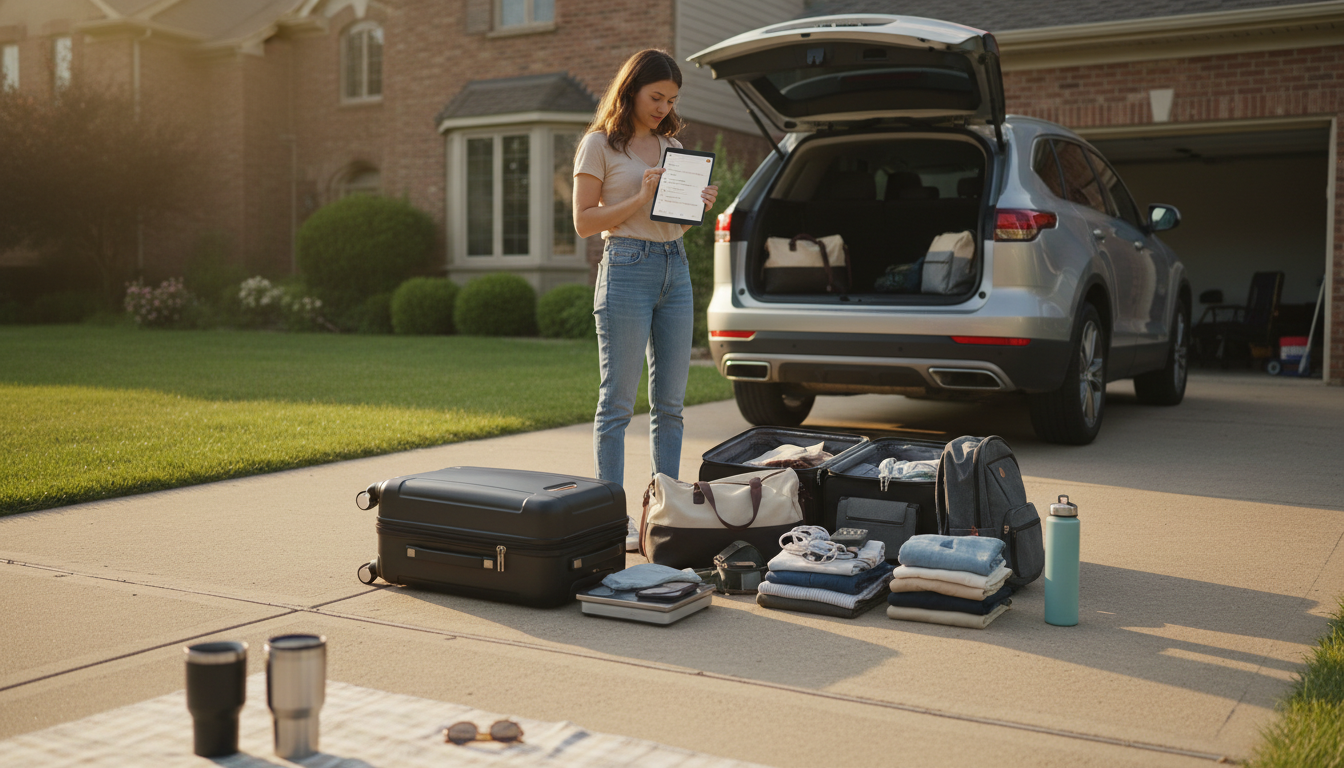
What are the best packing categories to include in a digital packing planner?
The best packing categories are the ones that match how you actually travel: what you wear, what you need to function day-to-day, and what would be expensive or stressful to replace. A well-built digital packing planner should be easy to scan, flexible for different trip types, and detailed enough to prevent last-minute scrambling. For a minimalist, pack-light approach, start with these core categories and customize from there.
1) Travel essentials & documents
Include passport/ID, tickets/boarding passes, reservations, travel insurance, visas, emergency contacts, copies of documents, and a small “must-carry” checklist for day-of-travel items (wallet, keys, phone). This category prevents the most disruptive mistakes.
2) Clothing (by outfit or by layer)
Break clothing into subgroups such as tops, bottoms, underwear/socks, sleepwear, outerwear, and accessories. Many travelers find it even easier to plan by outfits (Day 1–Day X) plus a lightweight layering list for weather swings.
3) Shoes
List shoes separately to avoid overpacking. Add notes like “wear on plane” or “pack flat” so you bring the right pair(s) without duplication.
4) Toiletries & personal care
Separate liquids, non-liquids, and travel-size refills. Add checkboxes for TSA-friendly containers, prescription meds, contacts/glasses, and any sensitive-skin basics you don’t want to replace on the road.
5) Tech & chargers
Track phone/laptop/tablet, charging cables, power bank, adapters/converters, headphones, and any specialty items (camera gear). A “charge before leaving” reminder can save a lot of hassle.
6) Health, safety & comfort
Include a mini first-aid kit, masks/sanitizer if needed, pain relief, bandages, and comfort items like a compact travel pillow, earplugs, or compression socks.
7) Trip-specific gear
Use a flexible category for items tied to your itinerary: beach, hiking, business meetings, gym, formal events, cold weather, or baby/kid needs.
8) Laundry & re-wear plan
Add a small list for a sink-wash kit, stain remover pen, travel clothesline, and a simple “re-wear schedule” so you pack fewer duplicates.
For a streamlined setup that supports packing light without missing essentials, follow the minimalist structure in this digital packing planner guide.
FAQ
How do you organize a packing list for different types of trips?
Create a core master list (essentials, clothing basics, toiletries, tech), then duplicate it into templates like weekend, business, beach, or winter travel and only add trip-specific gear based on activities and climate.









Leave a comment