Complete Budgeting eBook & Planner: What’s Inside
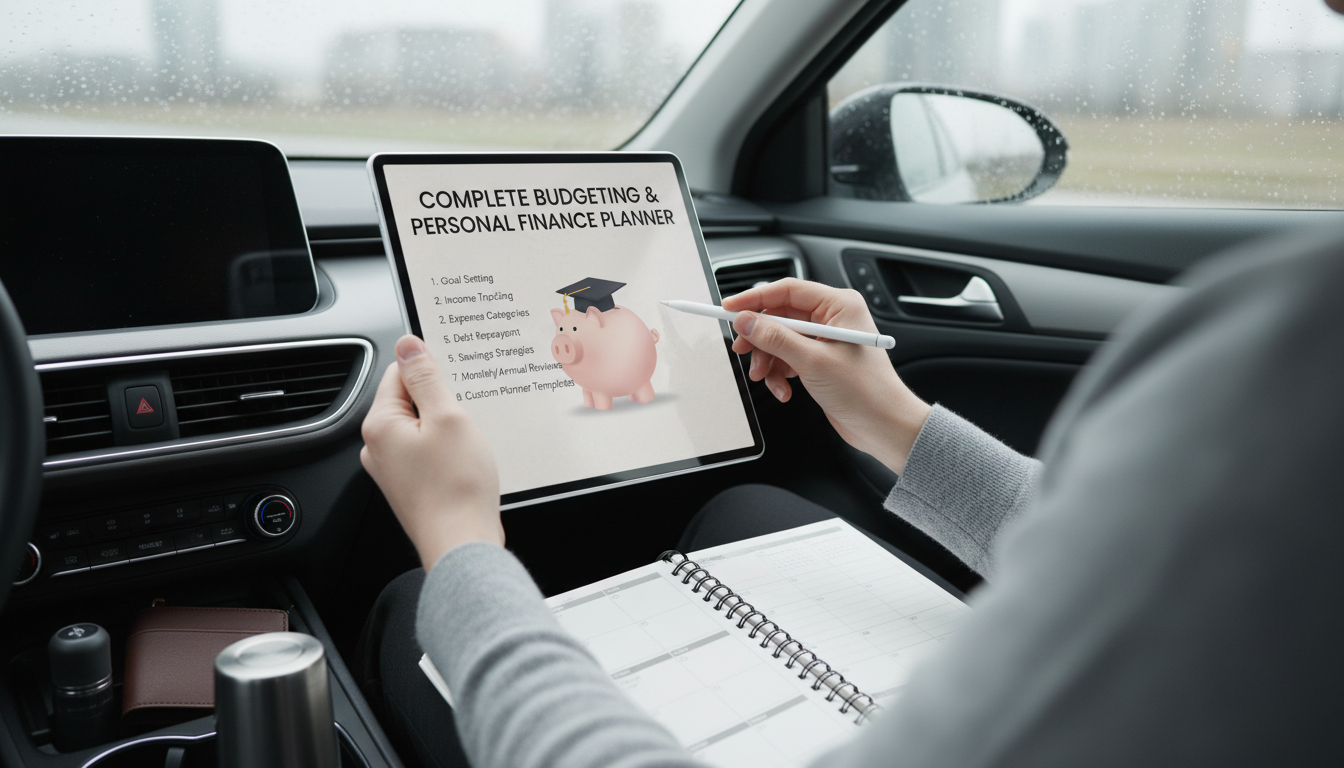
What’s included in a complete budgeting eBook and personal finance planner?
A complete budgeting eBook and personal finance planner typically combines step-by-step guidance with ready-to-use templates, so planning and tracking can happen in the same place. Instead of offering only theory, a solid bundle walks through how to choose a budgeting method, set realistic targets, and stay consistent month after month—even when income or expenses fluctuate.
Clear budgeting framework and method options
A well-built eBook usually explains the “why” behind budgeting and then breaks down a few proven approaches you can actually apply. Look for sections that help you decide between popular systems like zero-based budgeting, the 50/30/20 split, or paying yourself first. If you want a helpful comparison of these styles, visit this guide to three budgeting methods.
Monthly and weekly planning pages
A personal finance planner should include monthly budget sheets (income, bills, variable spending, sinking funds) plus weekly check-in pages for quick adjustments. The best planners also include calendars or bill trackers that reduce late payments and make cash flow easier to predict.
Expense tracking tools that match real life
Complete planners provide multiple ways to track spending: daily logs, category trackers, and “no-spend” or discretionary spending trackers. Many also include space for notes so you can capture patterns like impulse triggers, seasonal spikes, or recurring subscriptions you forgot about.
Goals, debt payoff, and savings trackers
Expect goal-setting pages that translate big priorities into monthly actions—like building an emergency fund, paying off credit cards, or saving for travel. Strong options include debt snowball/avalanche worksheets, payoff timelines, savings challenge trackers, and milestone checklists to keep motivation high.
Review, reset, and accountability pages
Look for end-of-month reviews, net worth snapshots, and “reset” worksheets to refine your categories and improve accuracy over time. Some planners also add reminders for quarterly tasks like insurance reviews, tax prep, or sinking-fund replenishment.
FAQ
How do I choose the right budgeting method for my lifestyle?
Pick a method based on how hands-on you want to be: zero-based is detailed and precise, 50/30/20 is simpler and flexible, and pay-yourself-first works well if saving is your top priority. Try one for a full month, then adjust based on how easy it is to follow and whether it keeps you on track.









Leave a comment