After-School Conversation Starters That Don’t Interrogate
What are good conversation starters to use with kids after school without sounding like an interrogation?
After school, many kids feel “talked out” from answering questions all day. The goal is to offer low-pressure prompts that invite stories, feelings, or opinions—without demanding a full report. A good conversation starter feels like an open door, not a spotlight.
Use “tell me about…” instead of “what did you do?”
Broad questions can feel like homework. Try specifics that still leave them in control: “Tell me about one moment that stood out today,” or “Tell me about something that made you laugh.” These prompts reduce the pressure to summarize everything.
Try sensory and environment prompts
Kids often remember details better than timelines. Ask: “What was the best smell or taste you had today?” “What did recess feel like—busy, calm, loud?” or “Was there a moment that felt cozy or comfortable?” These can lead to natural follow-up stories.
Invite opinions, not just facts
Opinion questions are less likely to trigger defensiveness. Try: “If today had a theme song, what would it be?” “What was the most interesting thing you heard someone say?” or “What would you change about today if you could rewind one part?”
Make space for feelings without forcing them
Instead of “Are you upset?” try gentler options: “What was the hardest part of your day?” “Was anything annoying or unfair?” or “Do you want advice, help, or just a listener?” Naming choices helps kids feel respected.
Use connection starters while you do something else
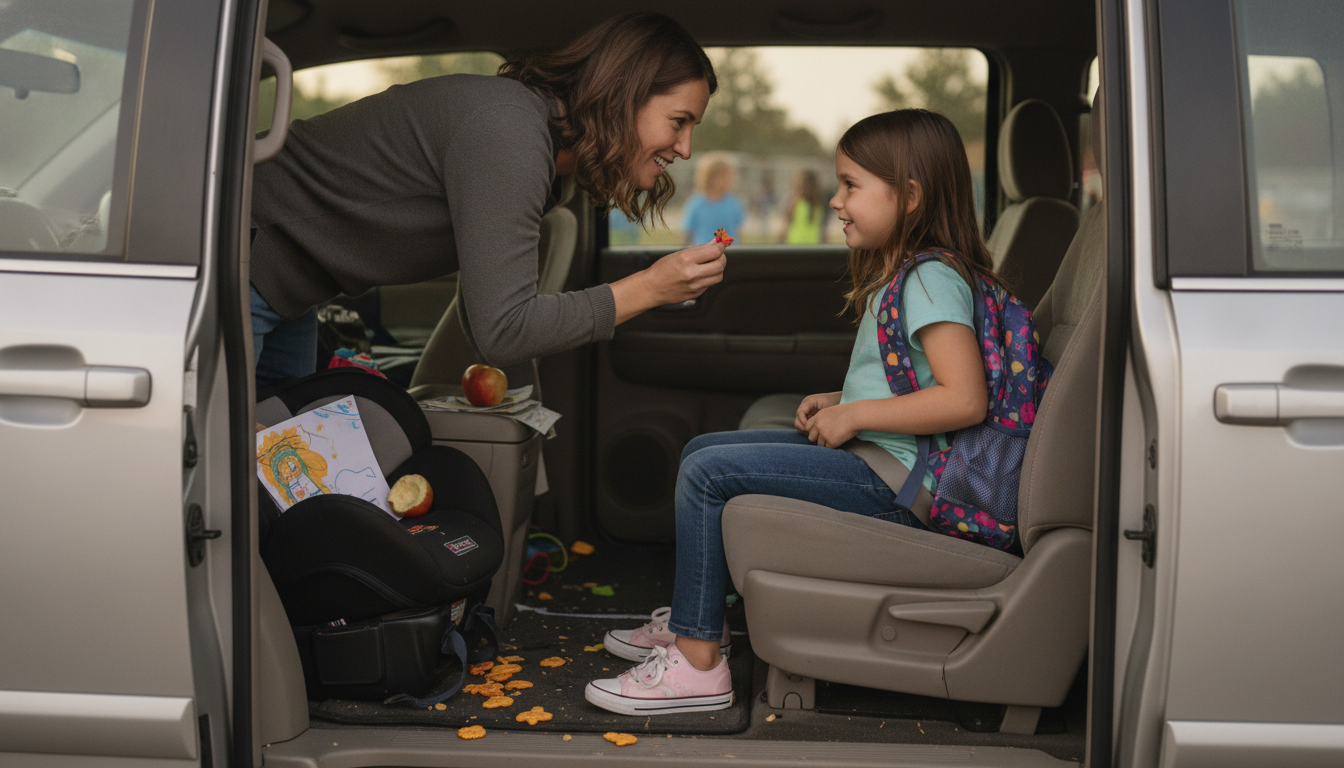
Side-by-side conversations (snack time, driving, walking, unpacking backpacks) can feel safer than face-to-face questioning. You can also share first: “One thing that happened in my day was…” and then ask, “Want to share one thing from yours?”
If you’d like a step-by-step way to build more comfortable, consistent talks, check out the Talk & Connect parent-child communication guide and workbook for practical prompts and routines.
FAQ
How can I help my child open up if they always say “nothing”?
Switch to smaller, choice-based prompts like “Would you rather tell me something fun, something weird, or something tricky?” and try talking during a low-pressure activity like a car ride or snack. Consistency helps—keep the tone calm and curious, even if they don’t bite every day.










Leave a comment