Best Ages for a Parent-Child Communication Workbook

What ages is a parent-child communication workbook best for?
Answer
A parent-child communication workbook is typically most effective for school-age kids through the teen years—roughly ages 6 to 18—because children in this range can understand feelings vocabulary, follow simple prompts, and reflect on experiences with a parent’s guidance. That said, the “best” age depends less on the number and more on reading level, attention span, and how comfortable your child is talking about emotions.
For younger children (about 6–9), workbooks tend to work best when a parent reads the prompts aloud and keeps the pace light and short. Look for activities that use choices, drawings, or quick check-ins rather than long written answers. At this age, the value is often in building a habit of naming emotions and practicing listening skills.
For tweens (about 10–12), a workbook can become a bridge between “kid talk” and more mature conversations. Many children in this stage can handle slightly deeper questions about friendships, school stress, and confidence—especially when the workbook gives them a structure so they don’t feel put on the spot.
For teens (about 13–18), communication workbooks can be helpful when conversations feel tense, repetitive, or avoidant. Teens often respond well to prompts that respect autonomy—journaling pages, rating scales, values exercises, and space to write privately before discussing. The goal is usually less about “getting answers” and more about creating a calmer, more predictable way to talk.
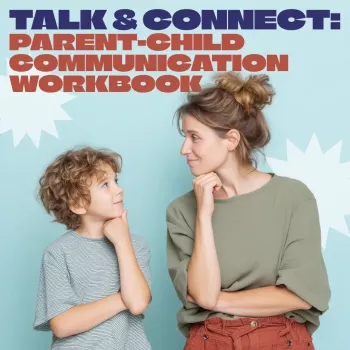
If you’re choosing a workbook now, aim for one that matches your child’s developmental stage and your family’s communication style. For a practical breakdown of what to look for and how to use it at home, visit this parent-child communication workbook guide.
FAQ
How do you start a tough conversation with your child without shutting them down?
Start with a neutral observation and a simple invitation, like “I noticed you’ve been quiet after school—want to talk now or later?” Keep your first goal small: understanding how they feel, not solving everything in one talk.











Leave a comment