Solo Travel Safety Plan: Street-Smart Habits + Checklist
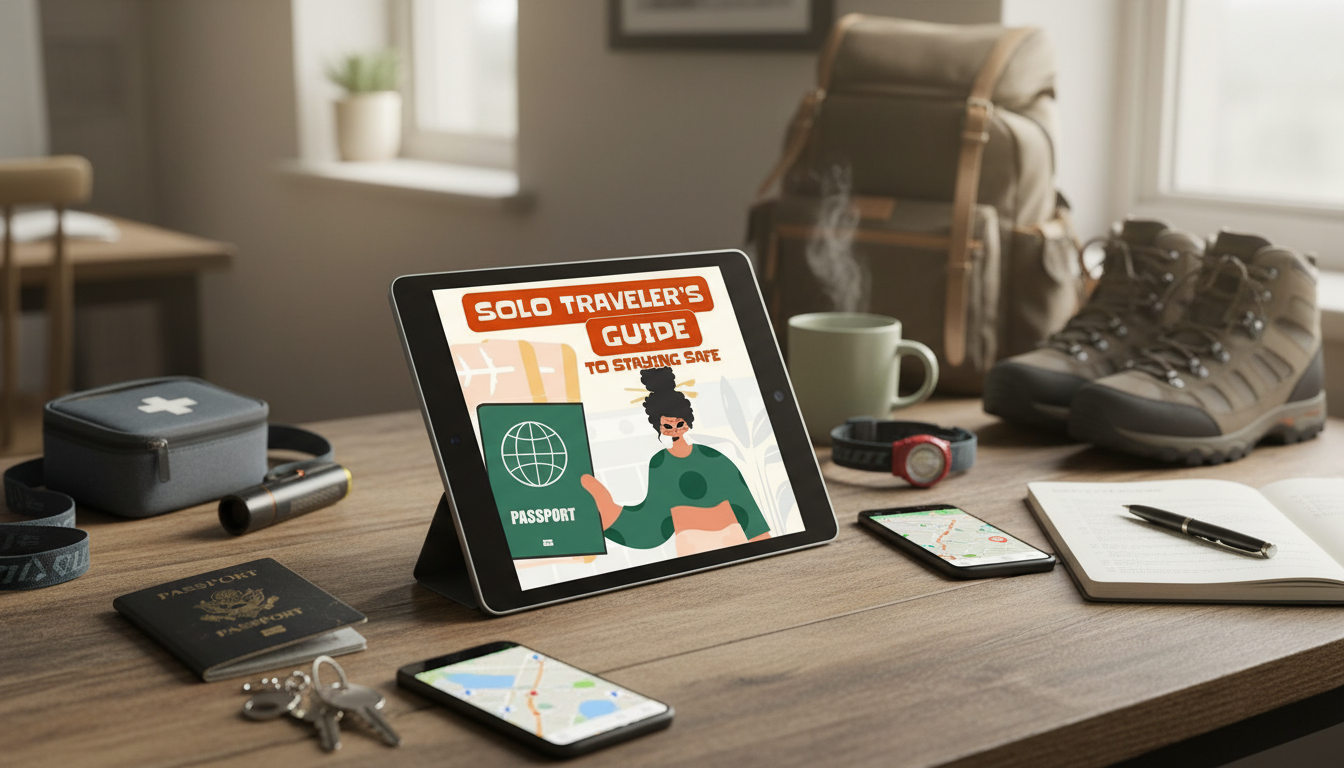
Solo Traveler’s Guide to Staying Safe: Practical Planning, Street-Smart Habits, and a Ready-to-Use Checklist
Solo travel can feel both freeing and intimidating. Safety improves dramatically with a few consistent habits: smart planning before departure, low-friction routines on the road, and clear steps for what to do if something goes wrong. The system below keeps things simple—so you can stay open to spontaneity without “winging it” on the essentials.
Start with a Simple Risk Picture (Not Worst-Case Thinking)
Instead of imagining every possible scenario, build a quick “risk picture” based on your destination and trip style. A nightlife-heavy city break calls for different choices than a remote hiking route, a road trip, or a journey through major transit hubs.
- Pick your top three likely issues (often theft, scams, transport confusion, or a minor medical need) and plan for those first.
- Set non-negotiables: trusted lodging, reliable transport at night, and a daily check-in plan with someone at home.
- Pre-decide your “change plan” triggers: arriving late, feeling unwell, losing phone battery, or sensing an area is off. A trigger is permission to pivot without debating it on the spot.
For country-level updates, check official guidance before you book and again right before you depart. The U.S. Department of State Travel Advisories and the CDC Travelers’ Health pages make it easy to see what’s changed.
Before You Go: Bookings, Documents, and Information That Reduce Stress
Most solo-travel safety is decided before you ever step off the plane. The goal is to remove last-minute decisions—especially when you’re tired, jet-lagged, or arriving after dark.
- Lodging: prioritize well-reviewed properties with 24/7 reception or secure self-check-in. Choose a location that makes late arrivals easier (near main routes, not isolated).
- Transport: pre-plan how to get from the airport or station to your lodging. Know official taxi/rideshare options and typical prices so overcharging stands out immediately.
- Documents: store digital copies of passport/ID, visas, insurance, and prescriptions separately from originals (cloud + offline file).
- Insurance: confirm medical coverage, trip interruption, and any activities you’ll do. Save the emergency assistance number and the claim steps.
- Local info: save the local equivalent of 911, nearest hospital/urgent care, and embassy/consulate details.
- Money plan: split funds across at least two sources (primary card + backup card/cash). Turn on travel notifications and spending alerts.
Pre-Trip Safety Planning Checklist (Quick Reference)
| Task | Why it matters | Done |
|---|---|---|
| Share itinerary + lodging addresses with a trusted contact | Speeds help if plans change or you go offline | □ |
| Save local emergency numbers + embassy/consulate | Faster response in urgent situations | □ |
| Download offline maps + key addresses | Navigation without data or after phone issues | □ |
| Set up phone screen lock + find-my-device | Protects data and helps recover a lost phone | □ |
| Pack a small backup power bank | Keeps maps/communication available | □ |
| Carry a second payment method separately | Reduces disruption if a card is lost or blocked | □ |
| Confirm arrival plan for late hours | Avoids risky last-minute transport decisions | □ |
If you prefer a printable, ready-to-use format, Solo Traveler’s Guide to Staying Safe (Digital Download PDF) bundles planning prompts and checklists you can keep on your phone or print for your carry-on.
Smart Habits on the Ground: Situational Awareness Without Paranoia
Situational awareness doesn’t mean scanning for danger 24/7. It means staying slightly ahead of your environment so you’re not making decisions under pressure.
- Arrive like you belong: check directions before you exit a station; keep phone use brief; avoid broadcasting confusion in crowds.
- Do the “pause check”: before leaving a café, rideshare, or train, touch-check phone, wallet, keys, and passport.
- Choose your seat: on transit, stay near other passengers or staff—avoid isolated cars late at night.
- Keep valuables quiet: minimize visible jewelry or expensive gear; don’t set phones on table edges or hang bags on chair backs.
- Know your exits: note the main exit and an alternate route when you enter a venue.
Lodging Safety: Small Adjustments That Make a Big Difference
Your lodging is your reset zone. A few small habits can dramatically reduce risk and stress.
- Room selection: when possible, avoid ground-floor rooms and rooms directly beside exterior entrances.
- Lock routine: test door and window locks right away; use any secondary locks provided.
- Front desk habits: don’t say your room number out loud; keep key cards secure and out of view.
- Visitor policy: don’t let strangers “help” carry luggage to your room; meet new acquaintances in public spaces first.
- Fire safety basics: locate stairs and exits; keep shoes, keys, and phone within reach for a fast evacuation.
Digital Safety: Protecting Accounts, Devices, and Identity While Traveling
Common Solo-Travel Threats and How to Respond
If Something Goes Wrong: A Clear, Calm Action Plan
To stay calmer during long transit days or after a stressful moment, Calm Your Mind: Guided Meditation Series is an easy, headphones-on reset that can help you get grounded and make clearer next steps.
FAQ
What are the most important safety steps for first-time solo travelers?
Pre-plan your arrival transport, choose secure lodging in a practical location, and set a daily check-in with someone you trust. Keep valuables low-profile and make sure you have offline access to key addresses and emergency numbers.
How can solo travelers stay safe at night without missing out?
Stick to well-lit, busier areas and pre-book rides home so you’re not negotiating transport late. Keep your phone charged, limit alcohol when alone, and set a personal cutoff time for returning.
What should you do immediately if your phone is lost while traveling alone?
Lock or wipe the device remotely, then secure your email first (password change and sign-out), followed by banking and payment apps. Contact your carrier to suspend service, and use offline backups for navigation and reaching trusted contacts.







Leave a comment