Printable Pet First-Aid Cheat Sheet for Fast Emergencies
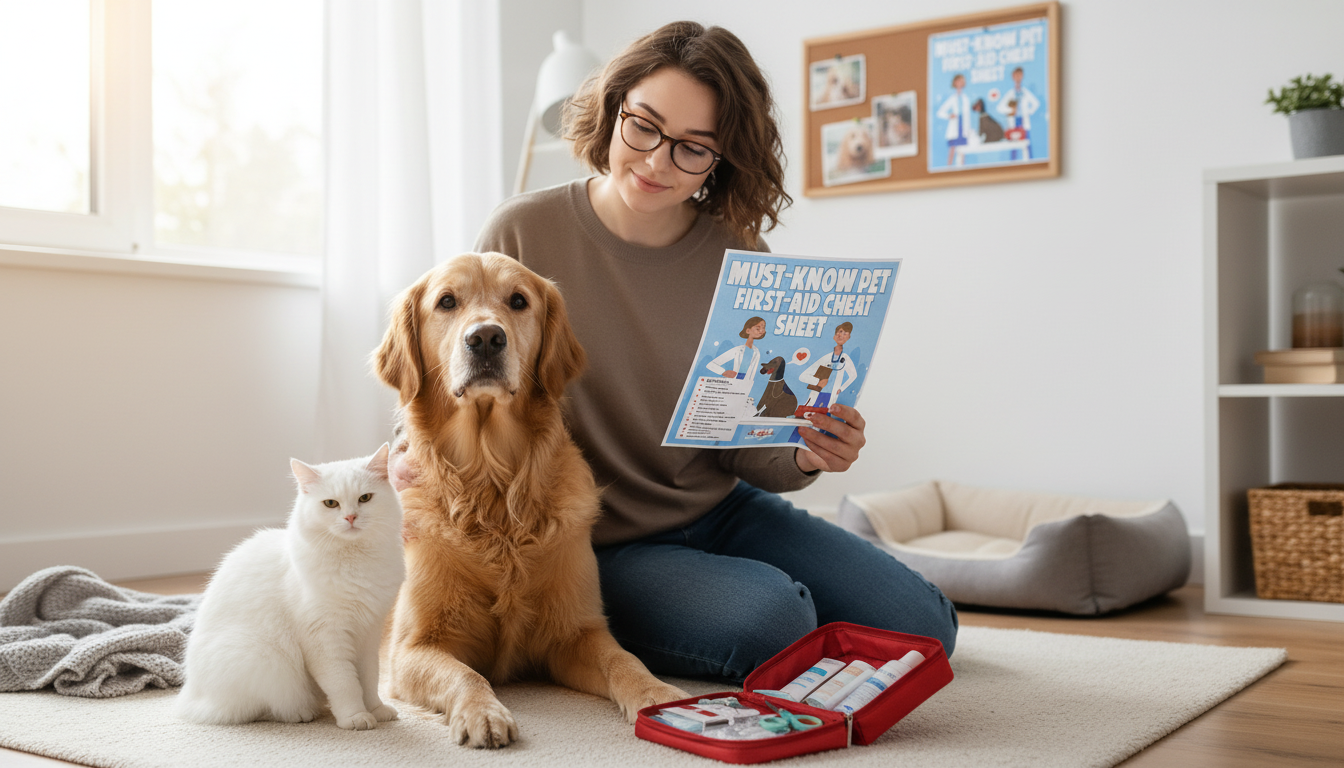
Must-Know Pet First-Aid Cheat Sheet: A Printable Emergency Guide for Calm, Fast Decisions
Emergencies with pets move fast—choking, heat stress, cuts, toxin exposure, seizures, or sudden collapse can happen at home or on walks. A simple, printable first-aid cheat sheet helps turn panic into a clear sequence: protect yourself, stabilize your pet, and contact a veterinarian or poison hotline with the right details. Use this guide to set up a practical plan, build a basic kit, and know when home first aid is appropriate versus when immediate veterinary care is the safest choice.
What a pet first-aid cheat sheet is (and what it isn’t)
A pet first-aid cheat sheet is a one-page, quick-reference resource designed for high-stress moments—clear steps, red flags, and essential phone numbers you can scan in seconds. It also keeps caregivers organized with key details like your pet’s medications, allergies, microchip ID, and a brief medical history.
It isn’t a replacement for veterinary diagnosis. First aid is about stabilizing your pet, preventing the situation from getting worse, and making transport safer. The best setup pairs the sheet with a stocked kit and a plan for getting to a 24/7 emergency clinic.
Before anything else: safety, restraint, and a fast assessment
1) Make the scene safe
Before touching your pet, remove hazards: traffic, broken glass, spilled chemicals, aggressive animals, or unstable footing. If the area isn’t safe, move your pet only if you can do so without risking further injury.
2) Prevent bites and escapes
Even gentle pets may bite when scared or in pain. Use a towel or blanket to wrap and control movement, keep the head turned away from you, and leash dogs if possible. For cats and small dogs, a carrier can be the safest “restraint.”
3) Do a 30–60 second primary check
Check breathing, gum color, responsiveness, and major bleeding. Pale/white gums, blue/gray gums, weak collapse, or labored breathing are immediate red flags. If your pet isn’t breathing or you can’t detect a pulse, start CPR and head to emergency care while someone calls ahead.
If shock is suspected, keep your pet warm, quiet, and still. Avoid food and water unless a veterinarian specifically directs it.
Fast actions for common emergencies
Bleeding and wounds
Apply firm, direct pressure with clean gauze or a cloth for 5–10 minutes. If blood soaks through, add layers—don’t remove the original pad. For embedded objects, don’t pull them out; stabilize around them with padding and wrap to limit movement.
Choking
Heatstroke/overheating
Seizures
Poisoning/toxin exposure
Secure the substance/container and remove access. If skin or fur is exposed, rinse with lukewarm water. Do not induce vomiting unless a veterinarian or poison professional instructs you to. For poison guidance, keep these reputable resources handy: ASPCA Animal Poison Control and the AVMA Pet First Aid page.
Eye injuries
Quick triage: what to do now and when it’s urgent
| Situation | Do this immediately | Urgent veterinary care when… |
|---|---|---|
| Heavy bleeding | Direct pressure for 5–10 minutes; add layers if soaked; keep pet still | Bleeding doesn’t slow, wound is deep, or pet is weak/collapsing |
| Breathing trouble | Keep airway open; reduce stress; transport carefully | Blue/gray gums, open-mouth breathing in cats, collapse, or noisy/wheezing breathing |
| Overheating | Move to cool area; dampen coat with cool (not icy) water; fan; small sips if alert | Vomiting, lethargy, tremors, collapse, or temperature remains high |
| Possible poisoning | Remove access; keep packaging/plant; rinse exposed skin; call poison helpline/vet | Any neurologic signs, vomiting, collapse, or ingestion of unknown quantity |
| Seizure | Clear area; cushion head; time it; keep lights/sound low | Lasts >5 minutes, repeats, or pet doesn’t fully recover quickly |
Build a practical pet first-aid kit that matches the cheat sheet
For a structured, ready-to-fill template, keep Must-Know Pet First-Aid Cheat Sheet (printable emergency guide) with your kit and in your car.
How to set up the printable so it’s usable in a real emergency
When to call the vet immediately (even if symptoms seem mild)
For general first-aid refreshers, the American Red Cross dog and cat first aid resource is a helpful companion to your printed plan.
Vet tips for clearer calls and faster care
If staying calm is difficult in emergencies, a short grounding routine can help you think clearly before you call. Consider keeping Calm Your Mind: Guided Meditation Series or 5-Minute Reset for Exhausted Parents (3 in 1) on your phone for quick, steady breathing when seconds matter.
Printable resource: Must-Know Pet First-Aid Cheat Sheet
Designed for quick scanning during high-stress moments, the Must-Know Pet First-Aid Cheat Sheet (printable emergency guide) includes clear steps, space for critical pet info, and a consistent plan multiple caregivers can follow—babysitters, dog walkers, roommates, and family members. Since it’s digital, it’s easy to reprint whenever medications, weights, or emergency numbers change.
FAQ
Should vomiting be induced if a pet eats something toxic?
No—don’t induce vomiting unless a veterinarian or pet poison professional instructs you to, since some substances can cause more damage coming back up. Call right away with the product details, amount (if known), and timing.
What are the most important phone numbers to keep on a pet emergency sheet?
Keep your primary veterinarian, the nearest 24/7 emergency clinic, a pet poison helpline, and a backup caregiver contact. Include the emergency clinic’s address and the fastest driving route.
How can a caregiver tell if a situation is urgent or can wait until regular hours?
Treat trouble breathing, collapse, uncontrolled bleeding, pale/blue gums, repeated vomiting/diarrhea, suspected poisoning, eye injuries, seizures, severe pain, and bloat signs as urgent. When in doubt, call ahead—getting guidance early is safer than waiting.











Leave a comment