Homework Routine at Home: Printable Checklist Setup
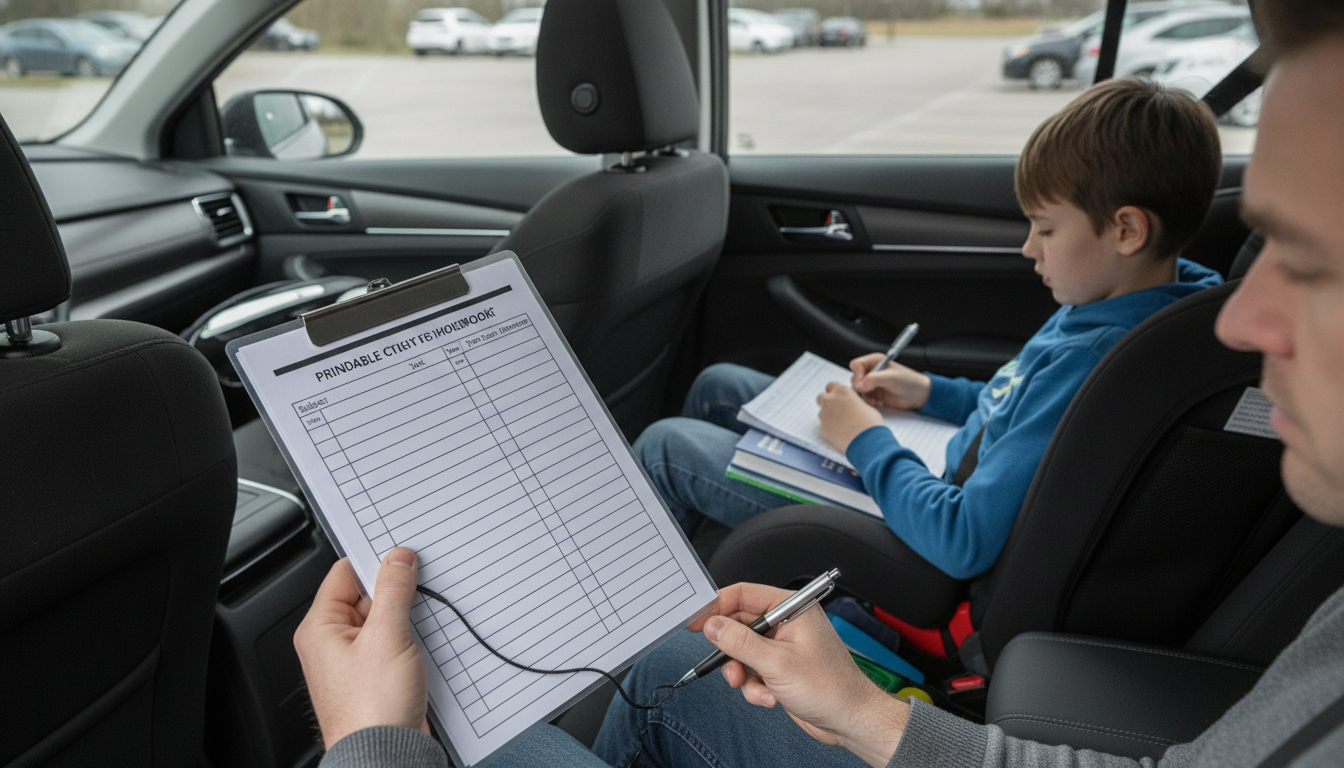
How do I set up a simple homework routine at home using a printable checklist?
A printable checklist turns homework from a daily debate into a repeatable routine. Instead of relying on reminders, your child can follow the same steps every afternoon and see progress as boxes get checked off.
1) Pick a consistent “homework window”
Choose a start time that fits your household rhythm (for example, 30–60 minutes after school). Keep it the same on weekdays so homework becomes automatic. Add the start and end time to the top of the checklist to make expectations clear.
2) Create a simple setup checklist (5 minutes or less)
Before any assignments begin, include quick prep items: “Snack/water,” “Bathroom,” “Clear desk,” “Gather supplies,” and “Open planner/class portal.” These small steps prevent repeated interruptions and help your child settle in faster.
3) Break work into small, checkable blocks
List assignments as individual items (not one big “homework” task). If a project is large, split it into mini-steps like “research,” “outline,” and “final draft.” Add a short “estimated minutes” line next to each task to encourage planning without pressure.
4) Build in brief breaks and a finish line
Use a predictable cycle such as 20 minutes of work followed by a 3–5 minute break. Include a “Done for today” section with a final check: “Pack backpack,” “Put papers in folder,” and “Set out tomorrow’s materials.” Ending cleanly reduces morning stress.
5) Add a parent check-in that doesn’t take over
Put one quick review box at the end: “Show completed work” and “Ask one question if needed.” This keeps you informed while helping your child stay in charge of the routine.
For a ready-to-use walkthrough and checklist ideas, visit the main guide here.
FAQ
How can I help my child stay focused during homework time?
Reduce distractions (quiet spot, no notifications), use a short timer for work blocks, and keep the checklist visible so the next step is always clear. Praise effort and follow-through rather than speed.









Leave a comment