3 Budgeting Methods That Work: Zero-Based, 50/30/20

Budgeting Like a Pro: Three Simple Money Plans That Work in Real Life
A budget works best when it matches real life—irregular bills, debt payments, savings goals, and the need for flexibility. The good news: you don’t need a complicated spreadsheet or daily perfection. You need a simple system you can repeat. Below are three practical approaches—zero-based budgeting, the 50/30/20 rule, and pay-yourself-first—plus an easy weekly and monthly routine that helps you avoid overdrafts, pay down debt, and keep savings moving forward.
Start With a Clear Money Snapshot (15 Minutes)
- List monthly take-home income sources and pay dates (paychecks, benefits, side income) so you can plan around timing—not just totals.
- Pull the last 30–60 days of transactions to see your true spending patterns (including “small” purchases that add up).
- Write down fixed bills and due dates: rent/mortgage, insurance, phone, subscriptions, and minimum debt payments.
- Identify variable essentials (groceries, gas, utilities) and set a realistic baseline you can hit most weeks.
- Choose 1–3 goals for the next 30 days, like stopping overdrafts, paying extra on one debt, or building a starter emergency fund.
If you want a guided layout for this step, a structured digital planner can keep everything in one place—income, bill calendar, category targets, and goal tracking.
Zero-Based Budgeting: Give Every Dollar a Job
Zero-based budgeting means you assign every dollar of income to a category until the remaining balance is zero. That doesn’t mean you spend everything—it means every dollar has a purpose (bills, groceries, savings, debt, sinking funds, or fun).
- Set your income for the month (or pay period) and allocate it until you hit zero remaining.
- Plan for true expenses that don’t happen monthly using sinking funds (car repairs, gifts, annual subscriptions).
- Assign categories in a steady order: essentials → minimums → priorities (savings/debt) → lifestyle extras.
- Use a buffer category if income varies; move unused buffer to savings at month-end.
- Review weekly and reassign dollars when a category runs hot—small adjustments beat “starting over” every time.
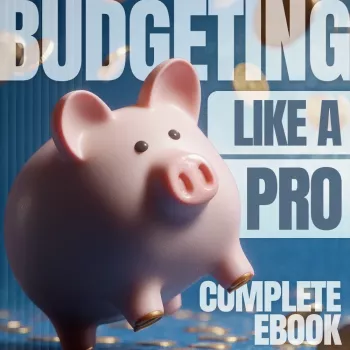
For people who like a fill-in-the-blanks approach, Budgeting Like a Pro: Complete eBook – Personal Finance Planner, Zero-Based Budgeting, 50/30/20, Pay-Yourself-First, Debt Payoff & Savings Plan walks you from snapshot to categories to payoff and savings tracking in one system.
The 50/30/20 Rule: A Quick Framework That Keeps Priorities Balanced
The 50/30/20 rule uses after-tax income and splits it into Needs (50%), Wants (30%), and Savings/Debt (20%). It’s a starting point, not a grade.
- Use after-tax income and split it into 50/30/20.
- Adjust when necessary: in high-cost areas, 60/20/20 or 70/15/15 can be a temporary bridge.
- Define “Needs” carefully: housing, utilities, basic groceries, required transportation, and minimum debt payments.
- Include extra debt payoff in the 20% alongside savings and investing contributions.
- If the split feels impossible, focus on lowering fixed costs first (housing, car, subscriptions) before cutting essentials too far.
Example Monthly Plan Using Each Method (After-Tax Income: $4,000)
| Category | Zero-Based Allocation (Example) | 50/30/20 Allocation (Example) |
|---|---|---|
| Housing + utilities | $1,600 | $2,000 max in Needs bucket (includes other needs) |
| Groceries + basic household | $450 | Included in Needs bucket |
| Transportation (gas, transit, insurance) | $350 | Included in Needs bucket |
| Minimum debt payments | $250 | Included in Needs bucket |
| Extra debt payoff | $300 | $800 total for Savings/Debt bucket (shared with savings) |
| Emergency fund / sinking funds | $350 | $800 total for Savings/Debt bucket (shared with debt) |
| Wants (dining, entertainment, hobbies) | $400 | $1,200 for Wants bucket |
| Miscellaneous / irregular | $300 | Handled inside buckets as needed |
Pay-Yourself-First: Automate Progress Before Lifestyle Spending
Pay-yourself-first is the simplest way to build momentum: automate savings and/or extra debt payments on payday, then live on what’s left.
- Set an automatic transfer on payday to savings (emergency fund, sinking funds) and/or extra debt payments.
- Start small (1–3%) and increase monthly until it feels challenging but sustainable.
- Use separate accounts for goals: emergency fund, bills buffer, and specific sinking funds (auto, medical, annual fees).
- If cash flow is tight, automate a fixed amount (like $25–$100) rather than a percentage.
- Pair automation with a weekly check-in so bills and variable spending don’t drift.
If money stress makes it hard to stick with any plan, pairing your routine with a calming reset can help you follow through. Calm Your Mind: Guided Meditation Series | Audio Course | Anxiety Relief Meditation is a simple option for decompressing before your weekly money check-in.
Debt Payoff and Savings: Decide What Comes First
For additional budgeting basics and consumer tools, these resources are worth bookmarking: Consumer Financial Protection Bureau budgeting resources, FDIC Money Smart, and USA.gov budgeting basics.
A Weekly Routine That Makes Any Budget Stick
If family life is part of what drives unpredictable spending, a plan for intentional low-cost activities can help. Stronger Together: Family Bonding Pack | Digital Family Activities Guide for Kids & Parents can make it easier to schedule quality time without defaulting to expensive last-minute outings.
A Ready-to-Use Digital Planner for Building the Full System
If budgeting has felt inconsistent, start with a single pay period plan and scale up to a full month once your categories feel accurate. A structured option like Budgeting Like a Pro: Complete eBook – Personal Finance Planner, Zero-Based Budgeting, 50/30/20, Pay-Yourself-First, Debt Payoff & Savings Plan supports that step-by-step approach with pages for bill timing, debt payoff tracking, and savings goals.
FAQ
What is the 50 30 20 budget rule?
It’s a budgeting framework that splits after-tax income into 50% for needs, 30% for wants, and 20% for savings and extra debt payoff. If housing or other fixed costs are high, the percentages can be adjusted temporarily while you work to lower expenses over time.











Leave a comment