Break the Tension: 10-Minute Stress Reset for Busy Days
What “tension” looks like in the body (and why quick tools work)
Tension isn’t just a mood—it often shows up as tight jaw or shoulders, shallow breathing, racing thoughts, irritability, stomach discomfort, and trouble focusing. When the body senses pressure or danger (even “email danger”), it can flip into a stress response where everything speeds up.
Quick tools work because they give the nervous system clear signals of safety: slower exhalations, steady attention, and simple cues like feeling your feet on the floor. The practical goal isn’t to erase stress instantly—it’s to drop the intensity by about 20–40% so you can think again, then prevent the next spike with small routines.
Safety note: Breathing exercises should feel calming. If you feel dizzy, tingly, or more panicky, stop and switch to gentle grounding (like naming objects you see) instead.
Breathing exercises that calm the nervous system in 1–3 minutes
Breathing is the fastest “remote control” most people can access anywhere—at a desk, between meetings, or sitting in a parked car. The key is softer, slower breathing (not bigger breaths).
- Physiological sigh (30–60 seconds): Inhale through the nose, “top up” with a second small inhale, then do one long, slow exhale. Repeat 3–6 times to release tightness.
- Extended exhale breathing (2 minutes): Inhale for 4 seconds, exhale for 6–8 seconds. Keep shoulders relaxed and exhale like you’re fogging a mirror.
- Box breathing (2–4 minutes): Inhale 4, hold 4, exhale 4, hold 4. If it feels like strain, reduce counts (3–3–3–3 works well).
- “Hand on chest, hand on belly” cue: Let the belly rise slightly; aim for softer breaths rather than deeper breaths.
Best moments to use these: before a hard conversation, right after reading a stressful message, or any time you notice physical tightness building.
Quick stress-relief techniques and when to use them
| Technique | Time needed | Best for | How it feels when it’s working |
|---|---|---|---|
| Physiological sigh | 0:30–1:00 | Sudden spike of stress, tight chest, frustration | Shoulders drop, breath deepens naturally |
| Extended exhale (4 in / 6–8 out) | 2:00 | Racing thoughts, agitation, restlessness | Heart rate settles, mind slows slightly |
| Box breathing | 2:00–4:00 | Pre-performance nerves, meetings, presentations | More steady focus, less reactivity |
| 5-4-3-2-1 grounding | 1:00–3:00 | Overwhelm, spiraling thoughts, dissociation | More present, less “spinning” mentally |
| Two-minute plan reset | 2:00 | Time pressure, too many tasks | Clearer priorities, less urgency |
Quick meditations that don’t require “emptying the mind”
Meditation doesn’t have to be long or perfectly calm to be useful. The win is noticing what’s happening and gently redirecting attention—like stepping off the mental treadmill for a moment.
- Two-minute “label and let go”: Silently name what’s here—“worrying,” “planning,” “tightness”—then return attention to the next breath.
- Mini body scan (3 minutes): Move attention from forehead to jaw, shoulders, chest, belly, hands; soften one area on each exhale.
- Sound anchor (1–2 minutes): Focus on the furthest sound you can hear, then the closest. Let attention widen rather than narrow.
- Walking reset (2–5 minutes): Feel heel-to-toe steps, notice three colors, relax the jaw; keep the pace comfortable.
If emotions surge, switch from internal focus (breath/body) to external anchors (sounds, sights) for steadier regulation.
Grounding techniques for anxiety, overwhelm, and “too much at once”
Grounding pulls attention back into the present moment—especially helpful when breath-focused practices feel too intense.
- 5-4-3-2-1 sensory grounding: Name 5 things you see, 4 you feel, 3 you hear, 2 you smell, 1 you taste. Go slowly and be specific (colors, textures, temperatures).
- Temperature shift: Hold a cool drink, splash cool water on your hands, or place a cool cloth on the back of your neck for 30–60 seconds.
- Pressure and posture: Press feet into the floor, straighten the spine gently, and unclench the tongue from the roof of the mouth.
- Name the moment: State the date, location, and what you’re doing next: “I’m at my desk. It’s Tuesday. Next step: send one email.”
Time management tips that reduce stress instead of adding pressure
A 10-minute “break the tension” routine for tough days
Using a guided toolkit to stay consistent
- Break the Tension: Stress Relief Techniques — a practical, mix-and-match set of breathing, grounding, quick meditation, and time tools for busy days.
- Calm Your Mind: Guided Meditation Series — guided audio support for settling anxious loops and building a steadier baseline.
- 5-Minute Reset for Exhausted Parents — quick audio resets designed for real-life interruptions and low energy.
When stress relief techniques aren’t enough
For more background on stress and coping, visit the American Psychological Association (APA), the National Institute of Mental Health (NIMH), or the CDC. If there are thoughts of self-harm or you can’t stay safe, seek immediate help right away.
FAQ
What is the fastest breathing technique to calm down in the moment?
The physiological sigh is one of the quickest ways to downshift: inhale, top up with a small second inhale, then take a long slow exhale, repeating 3–6 times. Follow it with 1–2 minutes of extended-exhale breathing (4 seconds in, 6–8 out). Keep breaths gentle, and stop if dizziness occurs.
How often should grounding or quick meditation be practiced to notice a difference?
Aim for 1–3 short practices per day (about 1–5 minutes), plus using them during stress spikes. Consistency matters more than duration, so pairing a technique with an existing routine (like after lunch) tends to stick.
Can time management really reduce stress, or is it just more pressure?
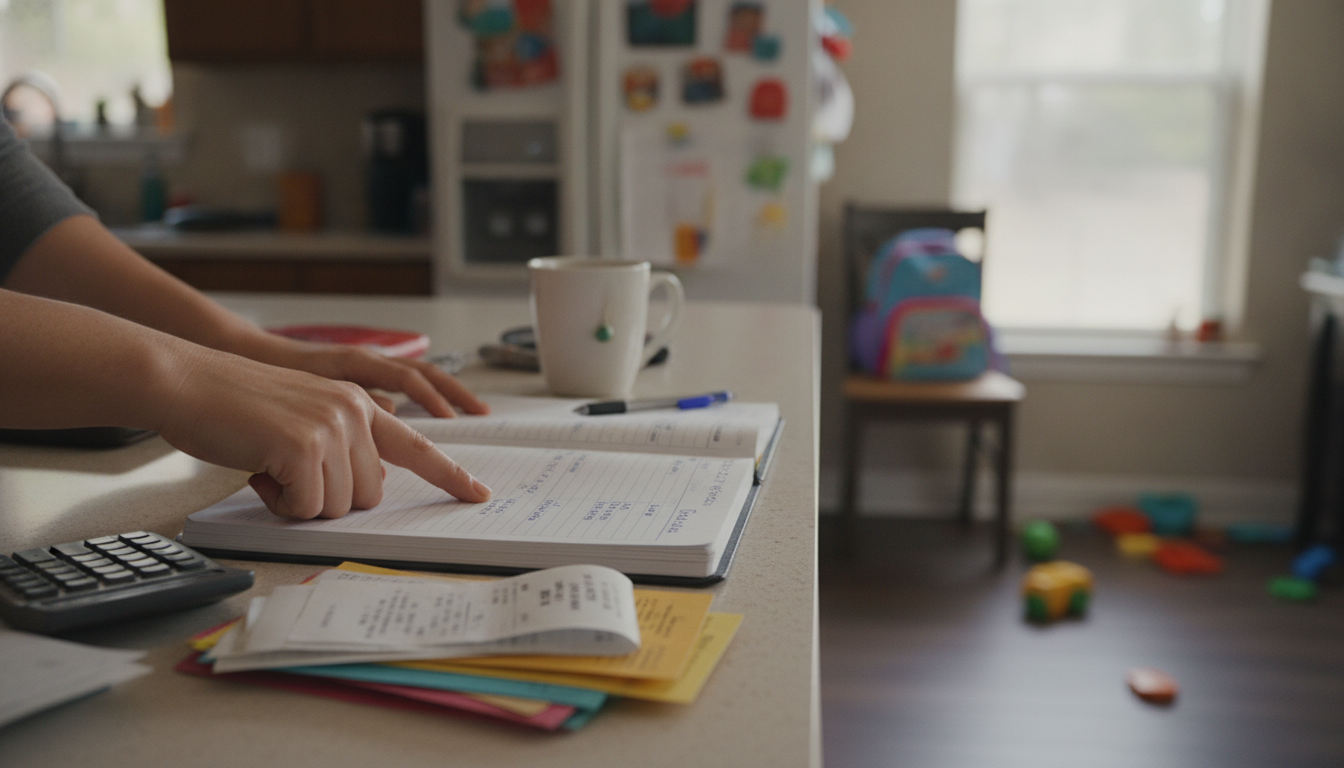
It can reduce stress when it’s used to limit decisions and clarify the next step, not maximize output. Tools like must/should/could prioritizing, short focus blocks, and buffer time help your brain stop treating everything as urgent.










Leave a comment