Safe Space Mapping: Build Your Personal Safety Plan
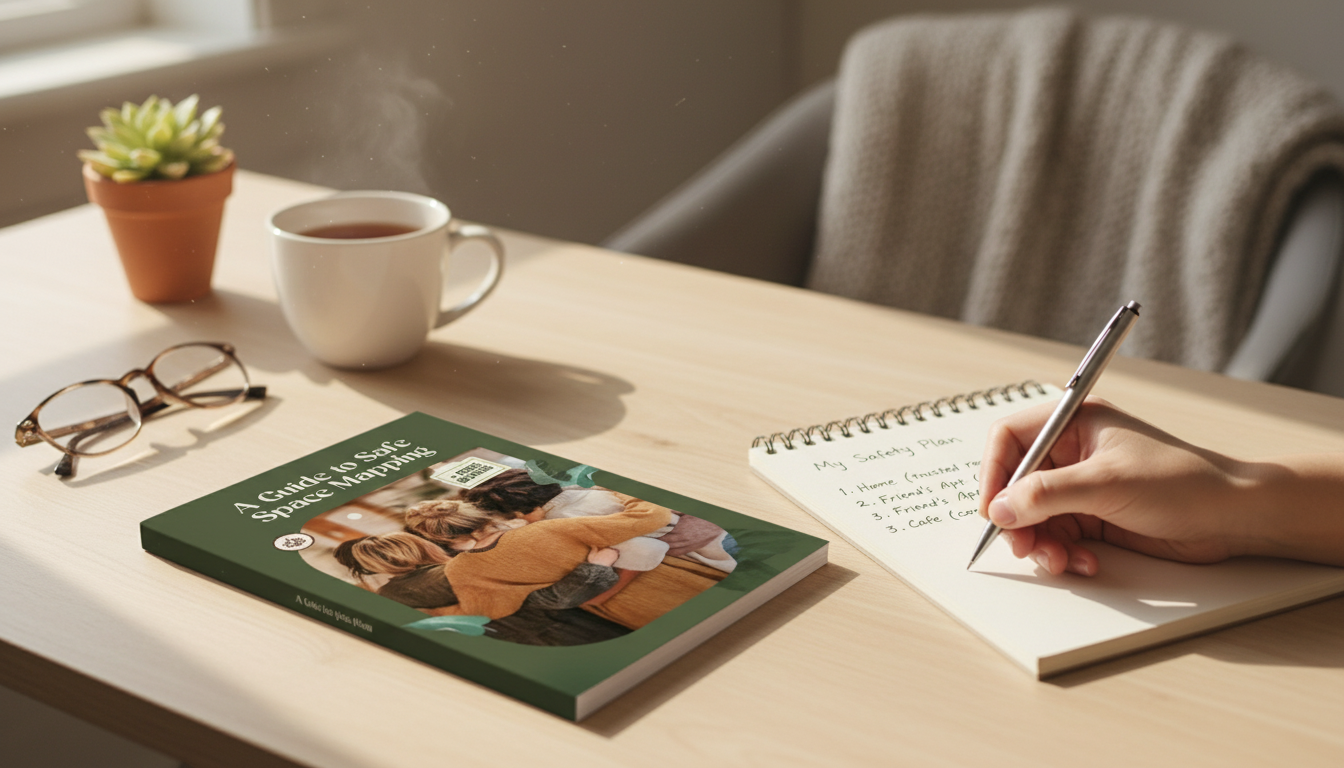
A Guide to Safe Space Mapping: Understanding, Creating, and Using Safe Spaces
Safe space mapping is a practical way to identify where safety, support, and calm already exist—and where they need to be strengthened. By mapping people, places, and routines, it becomes easier to plan for stressful moments, build healthier boundaries, and create repeatable strategies for emotional and physical safety at home, school, work, and online.
What “safe space” means in real life
In everyday life, “safe” is multidimensional. Physical safety (freedom from violence or threat) matters, but so do emotional, cultural, and psychological safety—especially in settings where power, identity, and belonging are at play. A space that feels safe in one context (a lively group chat) might feel unsafe in another (during conflict or public scrutiny).
A safe space also isn’t the absence of disagreement. It’s an environment with clear boundaries, consent, respect, and predictable responses when harm occurs. Healthy spaces allow people to say “no,” ask for clarification, and set limits without fear of humiliation or retaliation.
Common signals of safety include meaningful choice, clear confidentiality expectations (and limits), nonjudgmental listening, accessibility accommodations, and fair conflict practices. Common signals of risk include coercion, humiliation, retaliation, uncontrolled escalation, and unclear expectations—especially when rules change depending on who is involved.
The purpose of safe space mapping
Safe space mapping turns vague internal alarms (“this doesn’t feel safe”) into observable patterns. Instead of debating whether a reaction is “overreacting,” mapping helps identify what reliably increases distress: certain environments, timing, social dynamics, or communication styles.
It also separates quick fixes (lighting, seating, noise control, check-in norms) from longer-term needs (policy changes, relationship repair, advocacy, or professional support). That distinction reduces frustration by clarifying what can change today versus what requires time and backup.
Most importantly, mapping creates a “before, during, after” plan: prevention steps to reduce triggers, coping steps for the moment, and recovery steps to restore stability. In group settings, mapping helps coordinate support without overstepping boundaries or pushing someone to disclose personal details.
How to build a safe space map (a simple, repeatable method)
Step 1 — Define the context
Pick one setting to map: home evenings, classroom transitions, workplace meetings, online communities, or even “Sunday family dinner.” Narrow contexts produce clearer, more usable plans.
Step 2 — List zones
Include physical places (bedroom, hallway, parking lot), digital spaces (DMs, group chats, forums), and “in-between” moments (commutes, waiting rooms, post-meeting small talk). These in-between moments often carry the most stress because expectations are unclear.
Step 3 — Add people and roles
List supportive contacts (safe to reach out), neutral contacts (okay but limited), and roles that frequently raise stress (a supervisor who interrupts, a relative who pushes topics). This is about patterns, not labeling people as “bad.”
Step 4 — Identify triggers and early signs
Write down what typically starts distress and what shows up first. Early signs might include shallow breathing, jaw tension, racing thoughts, shutting down, over-explaining, fawning, or irritability. Catching the “first 10%” makes prevention possible.
Step 5 — Rate safety and control
Note where choice exists and where it doesn’t. A space can feel calm yet still be unsafe if you can’t leave, can’t say no, or can’t predict how conflict will be handled. Highlight areas where boundaries or backup are needed.
Step 6 — Assign supports
Add coping tools (headphones, grounding, movement), scripts (“I’m going to pause this conversation”), exit plans (ride-share, a code word, a time limit), and who to contact if things escalate.
Step 7 — Review and update
Safe Space Mapping Snapshot
| Area | Safety signals | Risks/pressure points | Support plan |
|---|---|---|---|
| Home (evenings) | Predictable routine, quiet corner, supportive roommate | Unplanned visitors, loud noise | Text check-in, headphones, boundary script for visitors |
| Work meeting | Clear agenda, respectful facilitator | Interruptions, sarcasm | Request turn-taking, pause phrase, follow-up in writing |
| Group chat | Moderation, clear rules | Dogpiling, screenshots shared | Mute/leave plan, report process, trusted contact |
Designing safer spaces without making them fragile
Using a safe space map during high-stress moments
Afterward, document what worked and what didn’t so the map improves over time. And if there is immediate danger, contact local emergency services or a crisis line rather than relying on self-guided tools. For trauma-informed context and systems-level approaches, see SAMHSA’s trauma-informed care resources and the CDC’s social-ecological model.
Safe space mapping for groups: classrooms, teams, and communities
A practical workbook-style resource for deeper mapping
Many people find mapping easier with prompts and templates that can be reused across settings. For a structured, step-by-step framework you can revisit, consider A Guide to Safe Space Mapping | Digital Ebook on Understanding, Creating & Using Safe Spaces.
To support regulation and recovery while you build your map, guided practices can help make coping steps more automatic in the moment. Two options that pair well with mapping routines are Calm Your Mind: Guided Meditation Series | Audio Course | Anxiety Relief Meditation and 5-Minute Reset for Exhausted Parents (3 in 1) | Audio Course | Mindfulness Breathing, Emotional Reset & Energy Boost. For additional perspective on when professional support may be useful, the American Psychological Association’s overview of psychotherapy offers a clear starting point.
FAQ
What should be included in a safe space map?
Include places (physical and digital), supportive people, common triggers, early warning signs, a safety/control rating, and a simple action plan with tools, boundaries, exit steps, and who to contact for help.
Can a safe space map be used for online communities?
Yes. Map platforms, moderation rules, privacy risks (like screenshots or doxxing), and a response plan that includes mute/leave steps, reporting paths, and trusted contacts.
How often should a safe space map be updated?
Update after major changes (moving, new roles, relationship changes) and do quick reviews every few months so the map reflects what’s actually working in real life.











Leave a comment